

Distinguishing Normal Anxiety from Anxiety Disorders: Do You Know? | Safe and Sound
Anxiety is a natural emotional state that everyone experiences at some point in their lives. However, when this feeling becomes persistent and severely impacts mental health and daily life, it can be a sign of an anxiety disorder. In this article, let's explore with the psychiatrists at Safe and Sound how to differentiate between ordinary anxiety and anxiety disorders to gain a clearer and more accurate understanding.
Ngo Thi Sang | Master of Educational Psychology – Applied to Safe and Sound Mental Health Care
Institute of Applied Medical Technology
1. What is common anxiety?

What is common anxiety?
Common anxiety is a widespread emotional state that often occurs when people face stressful situations or uncertain outcomes. It's a natural reaction that helps us prepare mentally and act more quickly when needed. According to psychiatrists, some situations that easily trigger common anxiety include:
- Prepare for a presentation or meeting with an important person.
- Waiting for the results of an important exam or interview.
- Facing major changes such as moving house, changing jobs, or making important life decisions.
Common anxiety is not just an unpleasant feeling; it can also be beneficial. Psychiatrists say it helps activate the nervous system, increases concentration, and motivates us to take action to solve problems.
Key characteristics of common anxiety:
- Temporary nature: Anxiety usually disappears as soon as the stressful event passes, such as when a presentation ends or the expected result is achieved.
- Not significantly impactful: Anxiety feelings are usually not strong enough to disrupt daily life.
- Adaptability: According to psychiatrists, this is a natural defense mechanism that helps people overcome challenges and face difficulties more effectively.
For example, the anxiety you feel before an important exam can motivate you to study harder and prepare more thoroughly, thereby increasing your chances of success.
2. What is an anxiety disorder?
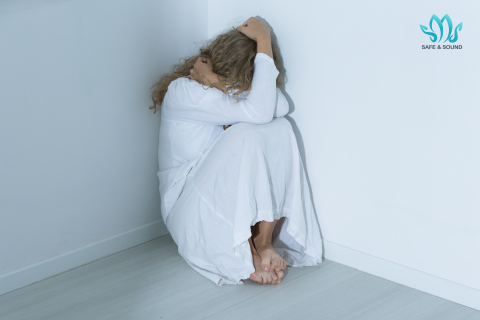
What is an anxiety disorder?
Anxiety disorder is a pathological state, a psychological disorder that differs from ordinary anxiety in its severity, duration, and negative impact on mental health and life. Anxiety becomes uncontrollable, persistent, and unrealistic, leading to chronic discomfort.
According to psychiatrists, common forms of anxiety disorders include:
- Generalized anxiety disorder (GAD): Worrying about a wide range of life issues, from work and finances to relationships.
- Panic disorder: Sudden panic attacks with symptoms such as rapid heartbeat and shortness of breath.
- Social anxiety: An excessive fear of interacting with or speaking in front of a crowd.
- Specific phobia: An extreme fear of a particular object or situation, such as heights or confined spaces.
Signs and symptoms of anxiety disorders:
- Duration: Psychiatrists say that anxiety symptoms do not subside and can last for months or even years.
- No clear cause needed: Anxiety disorders can occur even without a specific stressful event.
- Overall impact: Work, studies, and relationships are all disrupted.
- Physical symptoms: Rapid heartbeat, sweating, dizziness, stomach pain, and a feeling of suffocation are common manifestations.
Anxiety disorders are not only psychological problems but also cause serious physical symptoms, leaving sufferers feeling depressed and exhausted. Early identification and intervention with a psychologist or psychiatrist are crucial for improving quality of life.
3. How do ordinary anxiety and other anxiety disorders differ?
|
Criteria |
Common anxiety |
Anxiety disorders |
|
Time |
Anxiety is usually short-lived, tied to a specific event, and disappears once the event ends. |
Symptoms are persistent and do not subside even after the stressful situation has passed, and can last from several months to many years. |
|
Intensity |
Moderate anxiety, appropriate to the situation, often helps with focus or preparing to face difficulties. |
Excessive anxiety, disproportionate to the actual circumstances, can arise without a specific cause. |
|
Affect |
It has little impact on work, studies, and daily life, or only a very short-term impact. |
It causes serious disruptions to daily activities, diminishing quality of life and work performance. |
|
Physical symptoms |
Symptoms such as rapid heartbeat or muscle tension rarely occur, and if they do, they are very mild and short-lived. |
Commonly occurring symptoms include anxiety, rapid heartbeat, dizziness, shortness of breath, headache, muscle tension, or stomach pain. |
According to psychiatrists, anxiety disorders are not just about heightened levels of anxiety, but also about abnormalities in how the body and mind react. They cause both physical and mental exhaustion, whereas normal anxiety can be positive and motivating.
4. How to recognize anxiety disorders
If you or a loved one experiences the following symptoms for an extended period (usually 6 months or more), it is very likely a sign of an anxiety disorder. Psychiatrists emphasize that early recognition will lead to more effective treatment:
- Feelings of excessive and uncontrollable anxiety.
- Constant anxiety, even without a specific reason.
- Their minds were constantly on edge, anticipating that something bad would happen.
- Avoid everyday situations
- They are reluctant to engage in social interaction, afraid to attend meetings, events, or even leave the house.
- Avoid jobs or responsibilities due to a fear of failure or judgment.
- Difficulty falling asleep or prolonged insomnia
- Staying up late is due to constantly thinking about problems.
- Restless sleep, frequent awakenings, or stressful dreams.
- Lack of focus and irritability
- Difficulty maintaining focus on work or studies.
- Overreacting to minor events, having a quick temper, or feeling frustrated.
- Uncontrollable bodily reactions
- Symptoms such as rapid heartbeat, shortness of breath, sweating, trembling, or frequent dizziness may occur.
- Persistent headaches, stomachaches, nausea, or muscle tension without a clear medical cause.
- Anxiety significantly impacts quality of life.
- Anxiety can severely interfere with work, studies, and relationships.
5. When should you seek help from a psychologist or psychiatrist?
Consider seeking help if:
- Anxiety symptoms that last for more than 6 months without any signs of improvement.
- Inducing self-harming behaviors or suicidal intentions.
- Unable to control feelings of anxiety despite trying many methods.

With the collaboration of psychiatrists, psychologists , and the application of technology in mental health care, Safe and Sound counseling/consultation service proudly pioneers in supporting you with "Early self-detection - Immediate emotional first aid - Long-term support."
Safe and Sound Clinic - Psychological Support and Family Health
With a team of experienced doctors and experts, Safe and Sound Clinic is a pioneer in providing comprehensive healthcare for you and your family, offering services that cover both medical and psychological care.
"Early Prevention - Timely Support - Long-Term Companion."
If you suspect or encounter any physical or mental health issues, please contact HOTLINE 0964 778 911 (Phone/Zalo, 24/7) for prompt assistance and support!
HOW TO MAKE AN APPOINTMENT
You can schedule an online or in-person consultation with our experts:
- At SnS Clinic - IMT Institute
- Or download and schedule a consultation through the Safe and Sound app to manage and track your appointments anytime, anywhere.
Safe and Sound (SnS) - a part of the Institute of Medical Technology (IMT).

See more:
Distinguishing between stress and anxiety disorders with a psychologist.
